Our current workshop
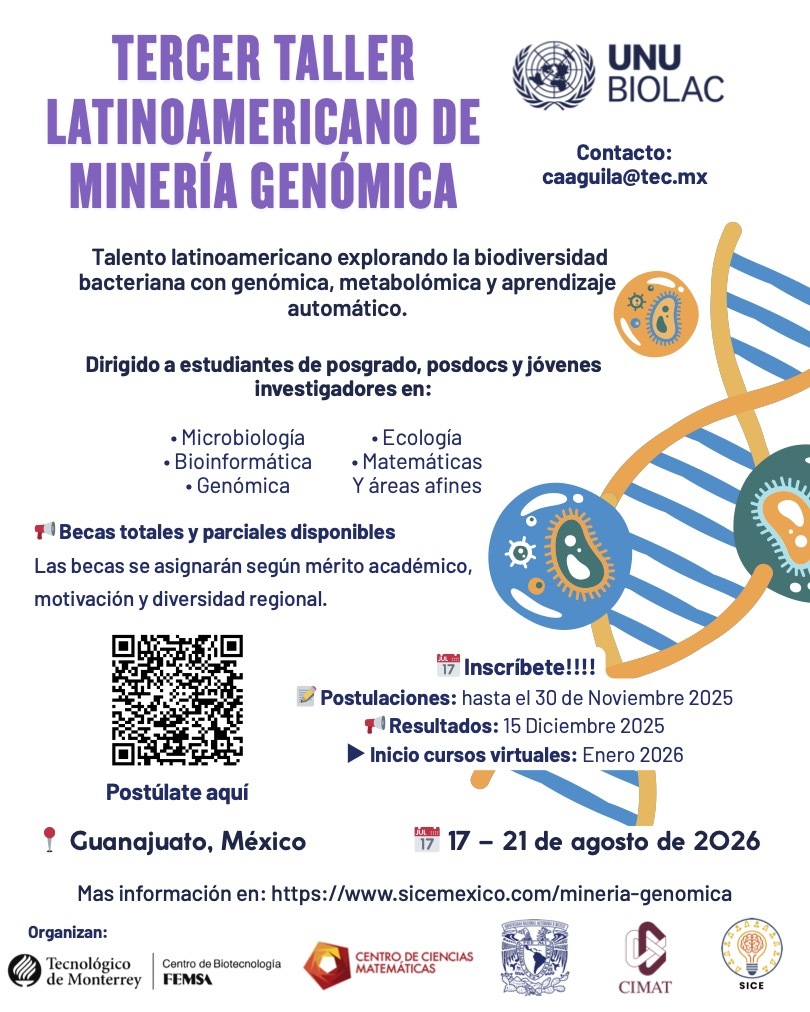

About the 2026 workshop

LatAm Biosynthetic Gene Clusters

Everything is about sharing 


Collaborative map of Biosynthetic Gene Clusters (BGCs) and microbial metabolomics across Latin America

We collect and analyze genomic and metabolomic data from bacteria across Latin American ecosystems to understand, compare, and safeguard their biosynthetic potential—grounded in regional collaboration, open science, and environmental justice.

How we work

BGC-LATAM uses a standardized, end-to-end workflow to turn samples from Latin American ecosystems into comparable genomic and metabolomic datasets. With local partners and appropriate permits, we generate isolate genomes, metagenomes, or both, following shared protocols for sequencing and quality control.


We then combine genome mining of biosynthetic gene clusters (BGCs) with LC–MS/MS metabolomics and molecular networking (e.g., GNPS) to link genes to chemistry and compare biosynthetic diversity across regions, while ensuring proper attribution and responsible data sharing.

about BGC-LATAM


What we do & why it matters

From samples to biosynthetic maps

  • Sampling & isolation:

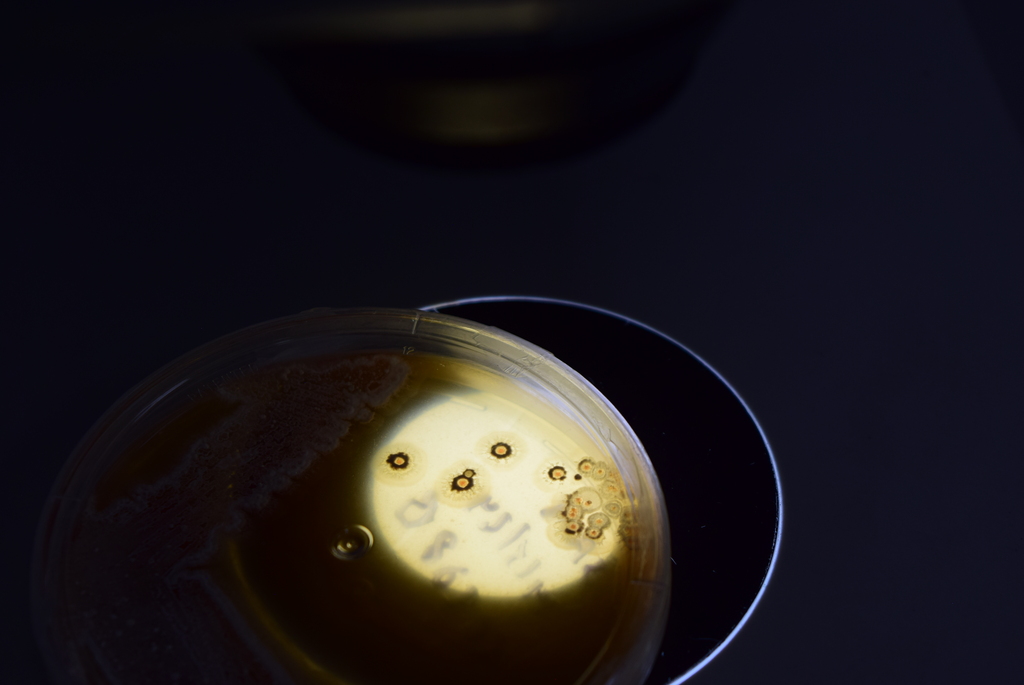
We collect environmental samples and isolate bacteria (with an emphasis on actinobacteria) from multiple ecosystems across Latin America.

  • Genomics + metagenomics: 

We sequence isolates and metagenomes to identify and compare biosynthetic gene clusters (BGCs).

  • Metabolomics: 

We generate LC–MS/MS profiles and molecular networks (e.g., GNPS) to link genes to chemistry.

  • Training & network-building:

We build a regional community through shared protocols, workshops, and ongoing collaborative analysis.

Biodiversity powered by regional equity

Latin America is one of the most biodiverse regions on Earth, yet it remains underrepresented in large-scale efforts to sequence and characterize microbial biosynthetic potential. This limits our ability to understand, compare, and responsibly leverage microbial diversity—and often prevents benefits from returning to the region.


BGC-LATAM was created to enable comparable datasets, strengthen local capabilities, promote equitable collaboration, and support regional priorities in health, agriculture, and environmental stewardship.


Genomes, metabolomes, and ecological context—together

  • Isolate genomics

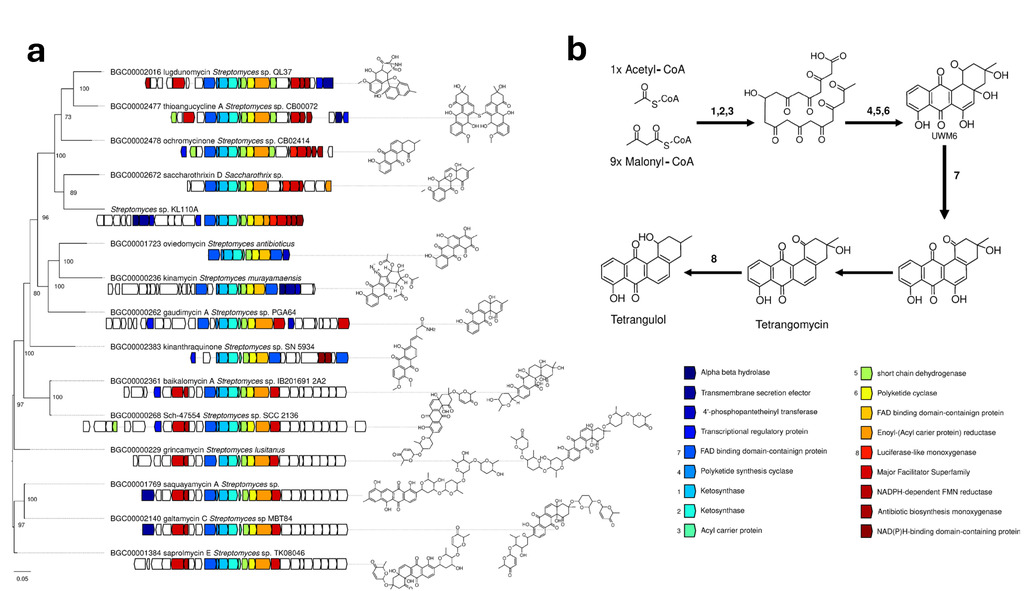
Assemblies, annotation, taxonomy, BGC calling (e.g., antiSMASH and related tools), gene cluster families (GCFs), and comparative metrics.


  • Metagenomics

Taxonomic and functional profiles, MAGs when applicable, and BGC detection from community data.


  • Metabolomics (LC–MS/MS)

Feature tables, MS/MS spectra, molecular networks, annotations, and links to community repositories.


  • Sampling metadata.

Ecosystem type, approximate coordinates (when needed), date, sample type, permits/conditions, and ecological context.

Open science, fair collaboration, knowledge for all

BGC-LATAM is guided by environmental justice, equitable collaboration, and open science.


We aim to ensure that genomic and metabolomic research on Latin America’s microbial biodiversity is conducted with meaningful local participation, transparent attribution, and responsible data sharing.


Ethics and good practices

  • Compliance with permits and applicable access and benefit-sharing frameworks

  • Tiered access for sensitive metadata when needed (e.g., to protect vulnerable sites)

  • Clear credit and contribution tracking for sampling sites and data-generating teams

  • Democratizing knowledge by sharing protocols, training resources, and analytical tools across the region

BGC-LATAM Training Program (2026)


This year we have designed a modular course covering natural products, biosynthetic gene clusters (BGCs), genome mining, metabolomics, and eco-evolutionary principles. Sessions combine live classes, invited lectures, and hands-on MIBiG annotation sprints.

Pre-workshop sessions


These short sessions are designed to help participants align on core concepts, tools, and shared workflows before the main workshop. We will cover essential background, expected formats for data and metadata, and practical guidance so everyone arrives prepared to contribute and collaborate effectively.
Program

Fundamentos de productos naturales

Definition of natural products, primary vs. secondary metabolism, and ecological/applied relevance. (10 de febrero 2026)

Consulta el vídeo o la presentación.

Metabolismo especializado

Microbial genome organization, horizontal gene transfer, and the rationale for biosynthetic gene clustering

Clases de BGCs

High-level overview of PKS, NRPS, RiPPs, terpenes, alkaloids, saccharides, and hybrid systems. Biosynthetic logic behind chemical diversity; modularity and combinatorial biosynthesis; NRPS and PKS domain organization; colinearity and hybrid systems

BGCs crípticos

Silent/cryptic BGCs, activation strategies, 

Metagenomics

metagenomics, microbiomes, and future directions including AI and metabologenomics

Precursor Selection, Tailoring Chemistry, and Evolution of Biosynthetic Gene Clusters

Precursor pathways and building blocks; tailoring enzymes and late-stage modifications; evolutionary pressures shaping BGC diversification; case studies linking domain architecture to metabolite diversity

Missed a lecture? Watch the recordings here

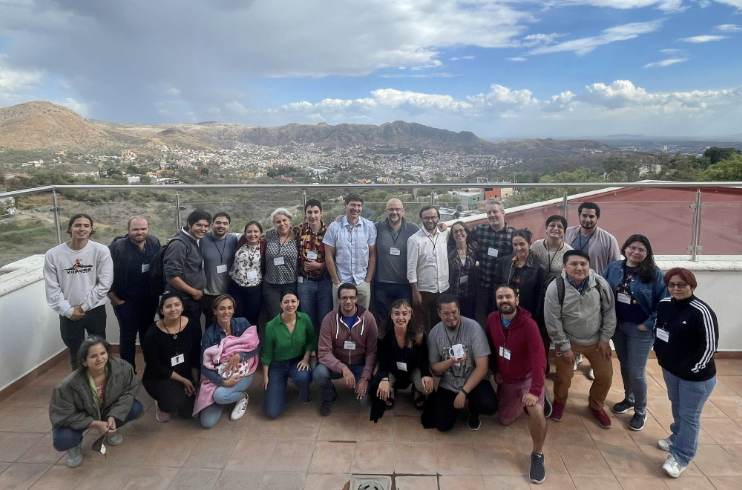
Previous meetings


2022

Guanajuato, México

August, 2022

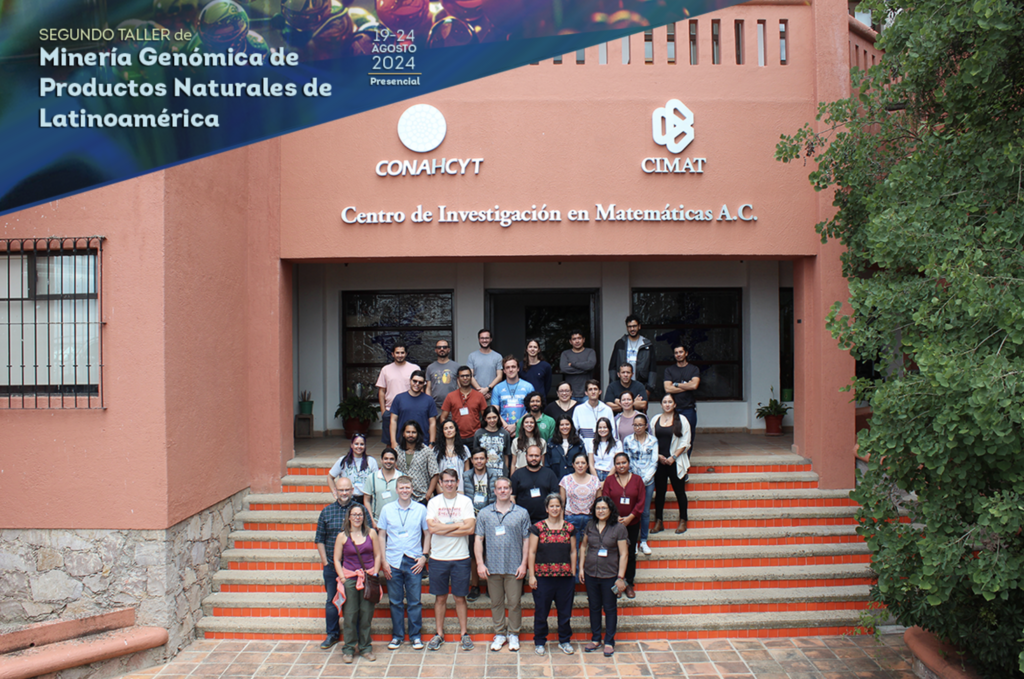
2024

Guanajuato, México

19-24 August, 2024

Protocols and Resources


Tools and training for everyone.

Lorem ipsum dolor sit amet, consetetur sadipscing elitr, sed diam nonumy eirmod tempor invidunt ut labore et dolore magna aliquyam erat, sed diam voluptua.
Protocols

(work in progress)

Data

(work in progress)

Bioinformatic

(work in progress)


BGC-LATAM

BGC-LATAM is more than a network—it is a shared effort to reveal the hidden chemical diversity of Latin America. This map brings together the researchers, institutions, and territories that are part of that mission. It celebrates the region’s biological richness, the strength of collaboration, and the idea that by working together across borders, we can better understand and unlock the biosynthetic treasures of our ecosystems.


 

Who are we?

BGC-LATAM is a collaborative network of laboratories in microbiology, genomics, bioinformatics, and natural products chemistry working to map microbial biosynthetic diversity across the region and democratize access to knowledge and tools.

Organizing committee


Nelly Sélem, Centro de Ciencias Matemáticas, UNAM

Leticia Ramírez, CIMAT A.C.

Cuauhtémoc Licona, Instituto de Biotecnología, UNAM

César Aguilar, Tecnológico de Monterey

Participant Faculty


Víctor Muñiz

Marc Chevrette, University of Wisconsin-Madison, USA.

Reed Stubbendieck, Oklahoma St. University, USA.

Karina Gutiérrez-García, The University of Arizona, USA.

Data Committee


Alejandro Acosta

Luciana Raggi-Hoyos, IIES-UNAM.

José Dávila

Jonathan Parra-Villalobos, Universidad de Costa Rica.

Beatriz Camara, Universidad Técnica F. Sta. María, Chile

Advisor board


Lorena Fernández-Martínez, University of Glasgow, UK.  

Paul Hoskisson,  University of Strathclyde, UK.

Paul Straight, Texas A&M University, USA.

Francisco Barona-Gómez, Leiden University, NL.

Our sponsors & collaborators


Want to add your ecosystem to the map?

Get in touch to join as a sampling site, an analytical node, or a bioinformatics collaborator. 

0

isolates

0

Students

0
0

BGC

0

Metabolites